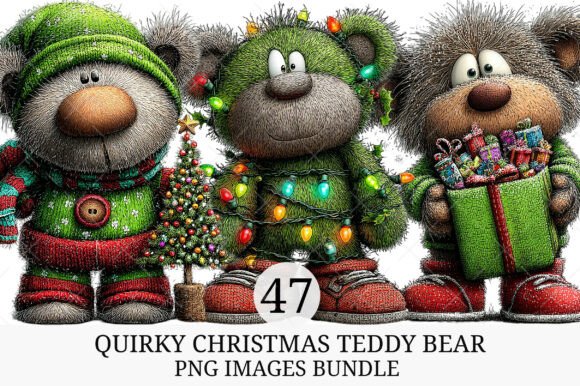
Quirky Christmas Teddy Bear Clipart for Illustrations
As a graphic designer who has spent the last decade refining brand identities and crafting marketing visuals for small businesses, I approach every new graphic design asset with a critical eye. It is not enough for an image to be cute; it must be functional, versatile, and legally safe for commercial use. Recently, I evaluated the Quirky Christmas Teddy Bear Clipart collection for a potential client project involving a boutique handmade toy shop launching its holiday line. My goal was to determine if these Illustrations could carry the weight of a professional brand identity or if they were merely decorative fluff. Here is my practical review of how this asset performs in real-world design scenarios.
First Impressions and Visual Mood
The first thing that strikes you about the Quirky Christmas Teddy Bear Clipart is its distinct personality. Unlike generic stock photos or overly polished vector art, these bears possess a hand-drawn charm that feels authentic and warm. The style leans into a whimsical, slightly imperfect aesthetic that resonates deeply with the current trend toward human-centric creative design. For a client targeting families, crafters, or nostalgia-driven buyers, this mood is invaluable. It creates an immediate emotional connection, suggesting comfort and joy without feeling corporate or sterile.
However, from a technical standpoint, the quirkiness requires careful handling. The lines are expressive, which means they can get lost if scaled down too far or placed against busy backgrounds. This is not a flaw but a characteristic that dictates where the asset should live within a layout. It thrives in spaces where it can breathe, acting as a hero graphic rather than a subtle texture.
Performance in Real Client Projects
In my test phase, I applied these clipart files to various mockups to gauge their versatility. For packaging design, specifically on kraft paper boxes for a handmade candle brand, the bears worked beautifully. The organic lines complemented the natural texture of the paper, enhancing the handmade business vibe. When used for sticker design, the clear outlines ensured clean cutting paths, which is crucial for clients using die-cut machines or selling physical stickers on platforms like Etsy.
I also tested the assets for social media graphics. On Instagram, where visual clutter is high, the bears stood out when paired with ample white space and bold typography. They served as excellent anchors for Pinterest pins promoting holiday gift guides. However, for web design headers, I found that they needed to be balanced with strong visual hierarchy. If the bear is too large, it dominates the call-to-action button; if too small, the quirky details vanish. Finding that sweet spot is key to maintaining professionalism while leveraging the asset’s charm.
Ideal Use Cases
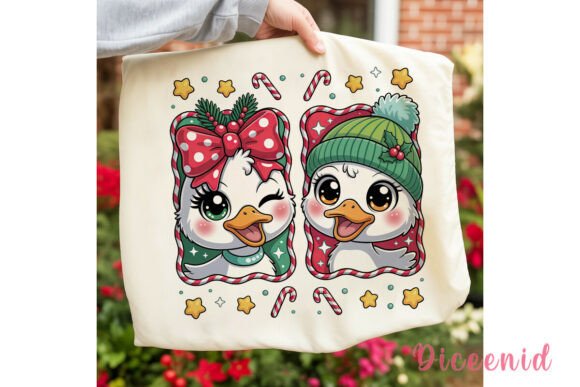
- Product Mockups: Perfect for print-on-demand items like tote bags and mugs where the illustration can be centered and prominent.
- Printable Design: Excellent for holiday cards, wall art, and gift tags where high-resolution PNG design files ensure crisp edges.
- Cricut Project: If available in SVG design format, these are ideal for vinyl decals and iron-on transfers, provided the paths are closed and clean.
- Marketing Visuals: Great for seasonal email headers and blog post featured images that need a festive touch without looking cliché.
Where to Exercise Caution
While the Quirky Christmas Teddy Bear Clipart is charming, it is not a one-size-fits-all solution. I would advise against using these Illustrations in minimalist corporate branding or projects requiring strict geometric precision. The irregular lines can clash with sleek, modern sans-serif fonts if not balanced correctly. Additionally, avoid placing them on low-contrast backgrounds. A dark bear on a navy background, for example, will lose its definition and fail to engage the audience.
For logo design, use extreme caution. While these bears could work for a playful sub-brand or a seasonal campaign logo, they are likely too detailed for a primary mark that needs to scale down to a favicon or social media avatar. Always prioritize legibility and recognition over decorative appeal in core branding elements.
Technical Checks and Designer Notes
Before delivering any final files to a client, I run a standard checklist to ensure quality and compliance. Here is what you should verify when using this digital product:
- File Formats: Confirm you have both PNG design files with transparent backgrounds and SVG design files if you plan to scale the artwork infinitely or edit nodes in vector software.
- Contrast Testing: Place the bear on pure white, light gray, and dark backgrounds. Ensure the quirky details remain visible in all scenarios.
- Typography Pairing: Test the clipart with different font styles. I found that a chunky display font or a friendly handwritten font complements the bear’s style better than a rigid serif or thin sans-serif.
- Print Quality: If using for sublimation design or large format prints, check the DPI. Ensure the source file is at least 300 DPI to avoid pixelation.
- Licensing: Always read the commercial license terms. Verify if the asset allows for use in Etsy product sales, Canva template creation, or mass-produced merchandise. Never assume a free download includes commercial rights.
Final Verdict for Designers
The Quirky Christmas Teddy Bear Clipart is a strong contender for designers working with lifestyle brands, children’s products, and holiday-themed campaigns. It offers a unique blend of warmth and professionalism that can elevate a design bundle from ordinary to memorable. By respecting its visual weight and pairing it with thoughtful typography and layout strategies, you can create marketing visuals that truly resonate. Just remember to test thoroughly, respect the licensing, and let the quirkiness shine without overwhelming the message. This asset is not just a picture; it is a tool for storytelling in your next creative marketplace launch.