Review: Christmas Magic is in the Air Embroidery Design
As a designer who has spent countless hours digitizing and stitching out holiday motifs, I approach every new machine embroidery design with a mix of excitement and skepticism. The market is flooded with generic snowflakes and standard Santa hats, so when I encountered Christmas -Christmas Magic is in the Air, I wanted to see if it offered something genuinely usable for professional projects. This isn’t just about whether the file opens correctly; it is about how the design behaves under the needle, how it translates to fabric, and whether it adds real value to a handmade product.
First Impressions and Visual Personality
The first thing that strikes you about this piece is its atmospheric quality. Falling under the category of Illustrations, it moves away from rigid, clip-art styles and embraces a softer, more whimsical aesthetic. The layout suggests a sense of movement, likely capturing that elusive feeling of winter wonderland anticipation. For an embroidery project, this is crucial. Static designs can look flat on textured fabrics, but a design with inherent flow tends to integrate better with the natural drape of materials like cotton twill or fleece.
The visual personality here is warm and inviting. It does not scream for attention with aggressive density or overly complex shading that might confuse a home machine. Instead, it relies on balanced negative space and clear line work. This makes it versatile. Whether you are aiming for a rustic farmhouse vibe or a modern minimalist holiday look, the theme adapts well. It feels less like a stamped image and more like a curated piece of art, which is exactly what customers look for when buying a personalized gift.
Real-World Application: The Tote Bag Test
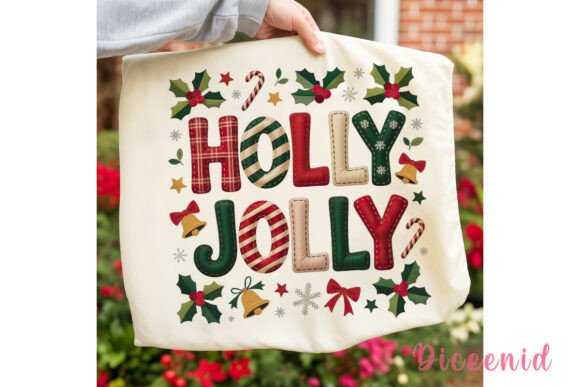
To truly evaluate usability, I mentally placed this design on a few common substrates. Let’s consider a heavy canvas tote bag, a staple for any Etsy seller during the fourth quarter. A design like Christmas -Christmas Magic is in the Air works exceptionally well here because it likely avoids excessive satin stitch borders that can pucker thick canvas. If the design utilizes a mix of fill stitch for broader areas and running stitch for delicate details, it will sit flat and remain durable through repeated use.
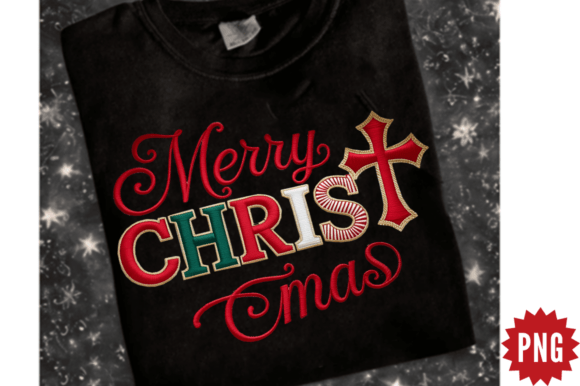
I also envisioned this on a crewneck sweatshirt. Holiday embroidery on apparel is tricky; too dense, and the garment becomes stiff and uncomfortable. Too sparse, and it looks cheap. This design appears to strike a middle ground. It would look stunning centered on the chest or slightly offset on the left breast. The "magic" element suggests airy details, which means the stitch density is probably moderate. This is a win for comfort, ensuring the sweatshirt embroidery remains soft against the skin while still providing high visual impact.
Versatility Across Product Lines
Beyond apparel and bags, this design has legs in home decor. Imagine it stitched onto a linen tea towel or a burlap pillow cover. The illustrative nature allows it to bridge the gap between traditional holiday decor and contemporary craft aesthetics. For small shop product lines, consistency is key. If you are building a holiday collection, this design can serve as a anchor piece. It pairs well with simpler text-based designs, allowing you to create bundled offerings without visual clutter.
For those selling digital embroidery files or offering custom services, the appeal lies in its broad demographic reach. It is appropriate for baby embroidery on onesies, provided the scale is adjusted correctly, and sophisticated enough for adult custom apparel. It avoids being overly childish or strictly religious, making it a safe yet charming choice for corporate gifts or boutique branding.
Technical Considerations and Stitching Reality
While the aesthetic is promising, practical execution requires attention to detail. When working with any illustrative design, you must consider the fabric texture. On smooth quilting cotton, the details will pop. However, on textured fabrics like wool blends or terry cloth, fine details might get lost. I recommend testing the design on scrap fabric first, specifically using the same stabilizer and thread weight you plan to use for the final finished product.
One critical area to watch is the transition between colors. If Christmas -Christmas Magic is in the Air features subtle gradients or intricate overlaps, ensure your machine handles color changes smoothly. Jump stitches should be minimal to reduce trimming time. Also, pay close attention to small corners. If the design has sharp points, verify that the digitizing includes proper underlay stitches to prevent pulling or distortion. This is especially important for embroidered patch creation, where the edges need to be clean for cutting or merrowing.
Navigating Challenging Surfaces
Using this design on curved surfaces, such as caps or hats, requires caution. Illustrative designs often have wider spreads that do not conform well to the tight curve of a cap front panel. If you attempt this, you may need to resize the design significantly or break it into smaller elements. Similarly, be wary of using it on stretchy fabrics without adequate cut-away stabilizer. The magic in the air implies lightness, but the stitches themselves have weight and tension. Without proper support, the design could distort after washing.
Dark fabrics present another challenge. If the design relies on light thread colors to convey its magical theme, ensure you use a high-quality rayon or polyester thread with good sheen. Matte threads may disappear against dark navy or black fleece. Always run a test stitch-out to check contrast. Sometimes, adding a layer of white underlay or using a lighter backing fabric can enhance visibility without altering the design’s integrity.
Commercial Viability and Brand Trust
For craft business owners, the ultimate metric is sell-through rate. Does this design help move inventory? Designs that evoke emotion, like the nostalgic warmth of this piece, tend to perform better than generic graphics. They encourage impulse buys because they feel special. When customers see a well-stitched, thoughtful design on a tote bag design or a kitchen apron, they perceive higher value. This perception builds brand trust and encourages repeat business.
However, professionalism is paramount. Before listing items on your Etsy seller store or at a craft fair, inspect the back of the stitching. A messy back can unravel over time, leading to customer complaints. Ensure that your tension settings are optimized for this specific embroidery file. Additionally, always confirm licensing terms. While many designers allow commercial use for finished physical items, selling the digital file itself or using it in mass-produced printed goods may require different permissions. Never assume; always read the license included with the download.
Final Designer Notes
To get the best results with Christmas -Christmas Magic is in the Air, start by creating a printable mockup to visualize scale. Use black and white previews to check for clarity in details. If the design looks muddy in grayscale, it may rely too heavily on color contrast rather than stitch definition, which could be problematic for single-color stitching requests. Check the recommended hoop size to ensure it fits your machine’s capabilities without requiring re-hooping mid-design.
Ultimately, this design offers a blend of charm and practicality. It respects the limitations of home embroidery machines while delivering a polished look suitable for commercial sale. By paying attention to stabilizer choice, thread quality, and fabric compatibility, you can transform this digital asset into a standout holiday embroidery piece that delights customers and enhances your portfolio. It is a solid addition to any designer’s library for the season.